
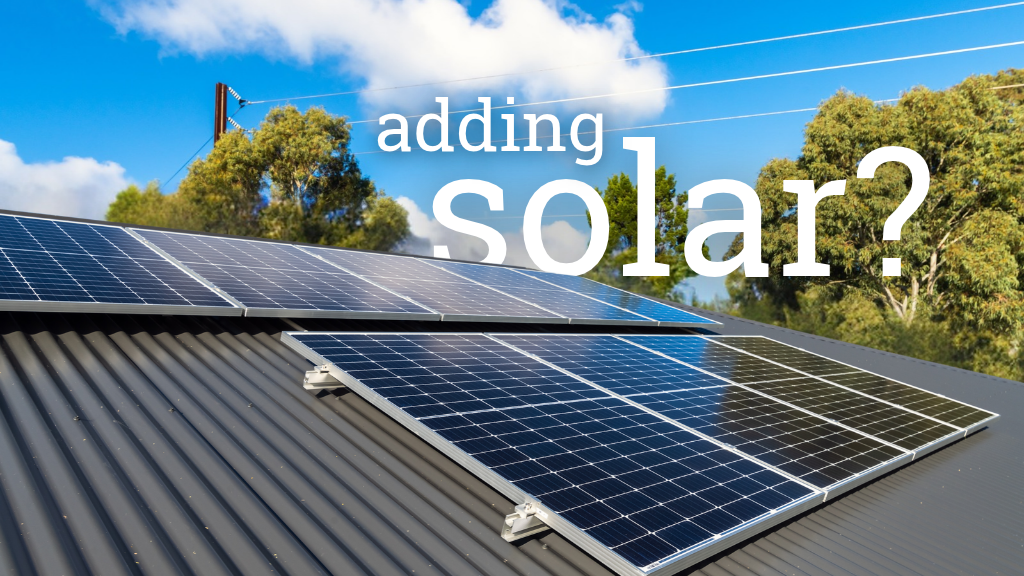
With energy costs still high on the agenda for UK businesses, it's no surprise that more commercial premises are adding solar panels. They can cut bills, improve sustainability credentials, and provide a degree of protection against future price volatility.
But installing solar on a commercial property does more than change your energy supply. It significantly changes the property's risk profile, and failing to manage the associated insurance complexities can lead to increased premiums, denied claims, or complete cancellation of property cover.
Before any solar panels go up, it's worth understanding where the obstacles lie, what underwriters will be looking at, and what steps you can take to avoid gaps in your cover.
1. Elevated Fire and Electrical Risks
Commercial insurers are deeply concerned about the "always-on" nature of solar panel infrastructure:
- DC Arcing and Overheating: Solar PV systems introduce high-voltage DC cabling, inverters, and isolators. Poorly ventilated component areas or faulty cabling run the risk of electrical arcing and severe fire hazards.
- Complicated Firefighting: Because panels generate live electricity whenever they are exposed to sunlight, they cannot easily be turned off. This complicates firefighting efforts and risks rendering existing building fire suppression systems less effective.
- High-Hazard Premises: Insurers may severely limit their appetite, or refuse cover entirely, if solar is added to buildings with combustible composite panels (like EPS panels) or high-hazard commercial operations.
2. Roof Integrity and Wind Loading
Commercial roofs are heavily scrutinised by insurers before approving solar panel alterations.
- Structural Strain: Solar panels add considerable static weight. Insurers require engineering proof that the roof structure can take the load.
- Wind and Weather Exposure: Roof-mounted systems act like sails, altering wind loading patterns. Roof penetrations made during installation also introduce a higher risk of water ingress and structural damage during severe storms.
3. Business Interruption and Revenue Gaps
If a commercial solar panel setup fails, the financial impact extends past physical damage.
- Grid and Generation Exclusions: Standard commercial property business interruption policies rarely cover a drop in revenue due to simple weather variations (cloud cover), natural panel degradation, or external power grid outages.
- Inadequate Indemnity Periods: Many commercial policies default to a 12-month indemnity period. However, supply chain backlogs for commercial-grade inverters or specialised transformers can easily exceed a year, leaving a business unprotected against long-term lost revenue.
4. Theft, Vandalism, and Cyber Risks
Ground-mounted arrays or low-profile, accessible commercial roofs are prime targets for crime.
- Targeted Theft: Cable theft (specifically for valuable copper) and module theft are frequent causes of operational downtime. Insurers often mandate strict physical security compliance, such as BS 8418-rated CCTV, perimeter fencing, and anti-theft panel screws, before granting a policy.
5. Failure to Notify and Underinsurance
- The "Material Alteration" Trap: Adding solar is considered a significant structural modification. Failing to notify your broker before starting the work can completely invalidate your existing commercial property cover.
- Underinsurance: Solar installations significantly increase the rebuilding cost and overall valuation of a business premises. If the building's overall sum insured isn't adjusted upward to reflect the replacement value of the PV system, the property becomes underinsured.
Talk to Us Before You Install
None of this means solar is a bad idea. For many businesses it makes sound commercial sense, and insurers are generally comfortable with well-planned, professionally installed systems. The problems arise when the work goes ahead without the insurance implications being considered first.
The single most important step is also the simplest: speak to your broker before you commit. Adding solar counts as a material alteration, so your insurer needs to know, and your sums insured, indemnity periods and security arrangements may all need reviewing once the installation is complete.
At AE Insurance Brokers, we can talk through the implications with you before the work starts, help you present the risk properly to insurers, and make sure your property cover keeps pace with the changes to your building.
Ae Insurance Brokers Ltd is Authorised and Regulated by FCA


0 Comments