
Thermographic surveys – are they essential for your business?

May 15, 2014

Thermographic surveys

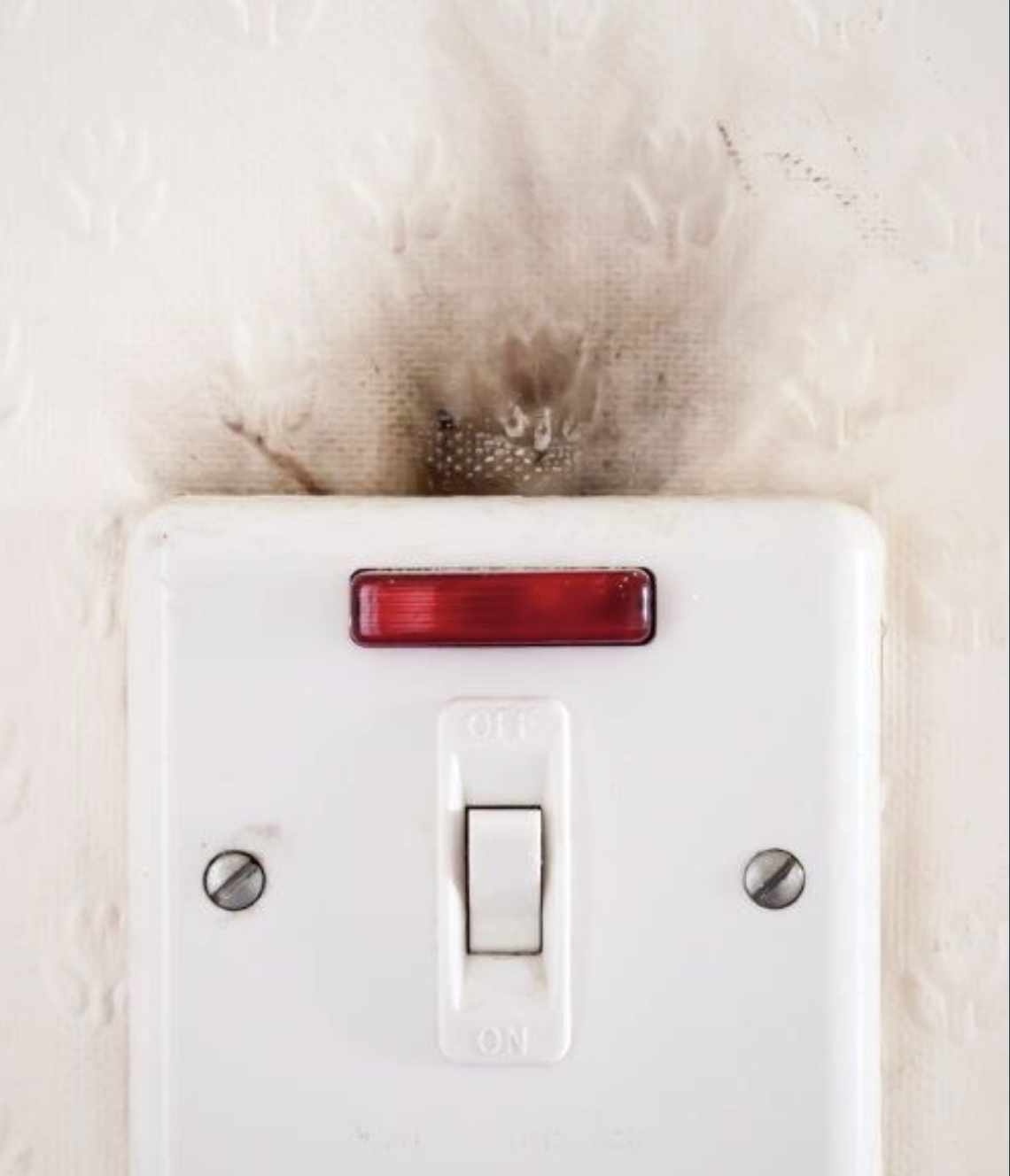
Electrical system failure is a major concern for all companies. Recent statistics from leading insurers show that 35-40% of all fires are caused by electrical faults and the impact upon a business can be severe leading to significant losses.

You can take away the worry by undertaking a thermographic survey at your premises for a relatively modest cost with the minimum disruption. Thermography is a great way to see beyond what is visible to the naked eye and to find ‘hotspots’ in electrical circuits that testing techniques cannot identify but might start a fire if left unrepaired.

It is fast becoming essential for any company with a risk management ethos.

The survey can encompass whole buildings, individual items of plant or evaluate new installations.  It will run alongside the current maintenance program and can reduce existing outlay for periodic wiring inspection by on average 30%.

There are other financial benefits including reductions to future capital expenditure by avoiding complete re-wires because it provides a prioritised report to enable your electrical contractor to focus on dangerous faults.

Therefore over the short term a thermographic survey can “pay for itself”. Not to mention the positive affects this can have on the business insurance program because insurers recognise the benefits of reducing the potential fire risk.

We’ve been busier than usual here at AE Insurance Brokers lately. As part of our ongoing commitment to staying current and effective, we recently underwent a brand refresh. While it looked like a cosmetic change - a new logo, a fresh colour palette and font - the process was actually a deep dive into who we are, how we serve our clients, and where the industry is heading.

And while we were looking in the mirror, something struck us: many businesses don’t look in theirs often enough.

When we talk to UK business owners one pattern emerges consistently. Companies grow, pivot, hire, launch new products, or expand into new territories. Yet their insurance policies often remain frozen in time, reflecting the version of the business that existed twelve months ago - or worse, five years ago.

Insurance is often treated as a compliance checkbox: a bill that needs paying, a certificate that needs sending. But if your business has changed, your risk profile has changed too, and when your policy doesn’t match your reality, you’re likely overpaying and potentially leaving dangerous gaps in your protection.

Related Posts

September 8, 2026

Growing Up: Why Your Insurance Needs to Evolve With Your Business

We’ve been busier than usual here at AE Insurance Brokers lately. As […]

August 19, 2026

What the Renters’ Rights Act Means for Your Portfolio

The landscape of the private rented sector (PRS) has shifted dramatically. Following […]

newspaper headline saying cyber attack

June 18, 2026

Commercial Cyber & Cyber Crime Insurance: A Critical Protection for UK Businesses

Cybercrime is no longer just an IT issue – it is one […]

0 Comments